
People don't always tell you when they're struggling with stress at work. Some are happy to speak up, but many worry about being judged, letting others down or seeming unable to cope.
Instead, the signs often show up in other ways. You might notice changes in behaviour, attendance or performance before someone tells you there's a problem.
That's why it's important for HR teams and managers to spot the signs early and create an environment where people feel comfortable asking for support. A simple conversation, followed by practical action, can make all the difference.
For HR professionals, this means understanding what's causing the pressure and helping managers respond in a supportive way.
What are the signs of workplace stress?
Stress affects everyone differently. Someone who's usually very chatty may become quieter and more withdrawn, while a normally calm colleague might seem more frustrated than usual.
Some common signs include:
- Becoming withdrawn, anxious, tearful or irritable
- Losing confidence or enthusiasm for work
- Struggling to concentrate, make decisions or meet deadlines
- Taking more time off or regularly arriving late
- Having more disagreements with colleagues
You may also notice wider trends across a team, such as increased sickness absence, more complaints or higher staff turnover. If several people are experiencing similar issues, it's worth looking more closely at what's causing the pressure.
Of course, these signs don't always mean someone is stressed because of work. There may be personal circumstances or other factors involved. Rather than making assumptions, use these changes as a reason to check in and start a conversation.
How do you start a conversation about stress?
Choose a private setting where you won't be interrupted and have enough time to listen properly. Often, a simple question such as, "You don't seem quite yourself lately. How are things going?" can open the door to a conversation without making someone feel uncomfortable.
You could also ask:
- "How are you finding your workload at the moment?"
- "Is anything making work particularly challenging?"
- "What would help you feel more supported?"
Give them the space to explain things in their own words. Avoid comparing their experience with anyone else's or jumping straight into solutions. What feels manageable to one person may feel overwhelming to another.
If they aren't ready to talk, respect that. Let them know the conversation can happen when they feel comfortable and explain how any information they share will be handled.
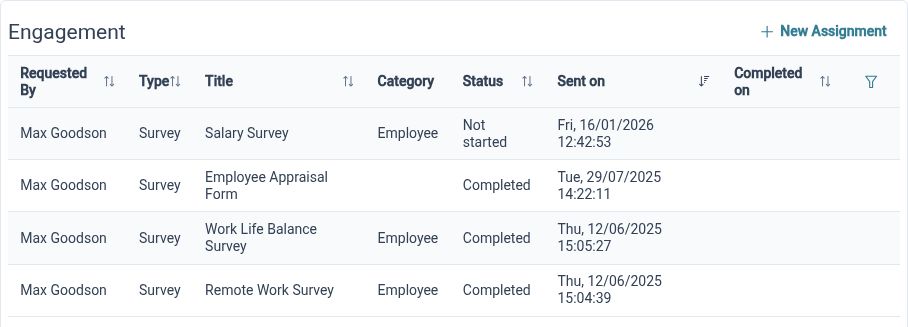
Alongside one-to-one conversations, our employee engagement software can help you gather feedback through targeted surveys. Asking employees about workloads, communication and workplace changes can help uncover issues that may need closer attention.
What can you do to help someone who feels stressed?
If someone opens up about how they're feeling, start by thanking them for being honest. Talking about stress isn't always easy, and it may have taken a lot for them to speak up.
You don't need to have all the answers straight away. Instead, focus on understanding what's causing the pressure and work together to find practical ways to reduce it.
That might include:
- Reviewing workloads – Agreeing priorities, delaying less urgent tasks or arranging extra support.
- Clarifying expectations – Making sure responsibilities and deadlines are realistic and clear.
- Providing training – Helping employees feel more confident in unfamiliar areas.
- Reducing interruptions – Cutting back on unnecessary meetings and creating time for focused work.
- Addressing conflict – Taking concerns about working relationships seriously and dealing with them quickly.
It's important to make sure you're not simply shifting the pressure elsewhere in the team. Sometimes managers may need support from senior leaders to adjust deadlines or bring in additional help.
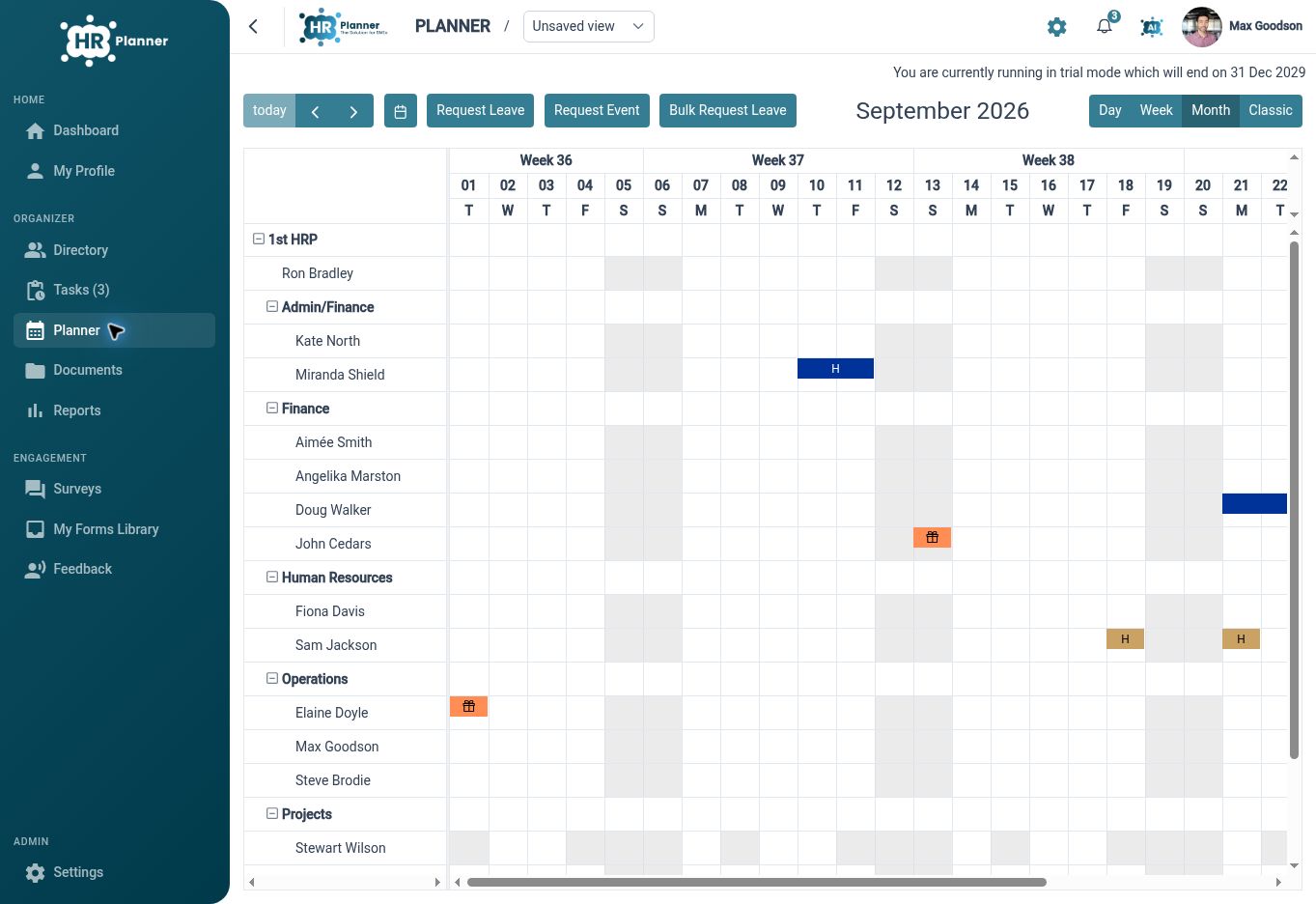
Some employees may also benefit from taking a break or using some annual leave to recharge. However, they can be hesitant to do so if they're worried about returning to a backlog of work or leaving colleagues short-staffed.
Our leave & workforce planning feature helps managers see team availability at a glance, making it easier to plan cover and support employees in taking the time off they need.
Once you've agreed on some actions, remember to check back in. Ask whether the changes are helping rather than assuming everything is fine because the issue hasn't been mentioned again.
What if someone is struggling with difficulties at home?
Not all stress is caused by work. Things like bereavement, caring responsibilities, financial worries or family emergencies can make it much harder for someone to cope day to day.
Employees shouldn't feel pressured to share personal details. Instead, focus on understanding what support might help them manage both work and life outside of it. That could mean offering temporary flexibility, adjusting working hours or allowing some time away from work. Our guide to compassionate leave in the UK explains how employers can support employees through difficult situations.
It's also worth reminding employees about any wellbeing support available, such as counselling services, employee assistance programmes or occupational health support. As we discuss in our blog on employee benefits packages, the right benefits can play an important role in supporting employee wellbeing and mental health.
If stress is starting to affect someone's health or wellbeing, encourage them to speak to their GP while continuing to address any workplace pressures where possible.
How can you prevent workplace stress becoming a wider problem?
When multiple employees raise similar concerns, it's often a sign that something broader needs attention. Ask yourself:
- Are workloads consistently too high?
- Have temporary staffing shortages become long-term issues?
- Are responsibilities and expectations clear?
- Are employees receiving enough support from managers?
Addressing workplace stress isn't just about supporting individuals. It's also about understanding and reducing the causes of pressure across the organisation.
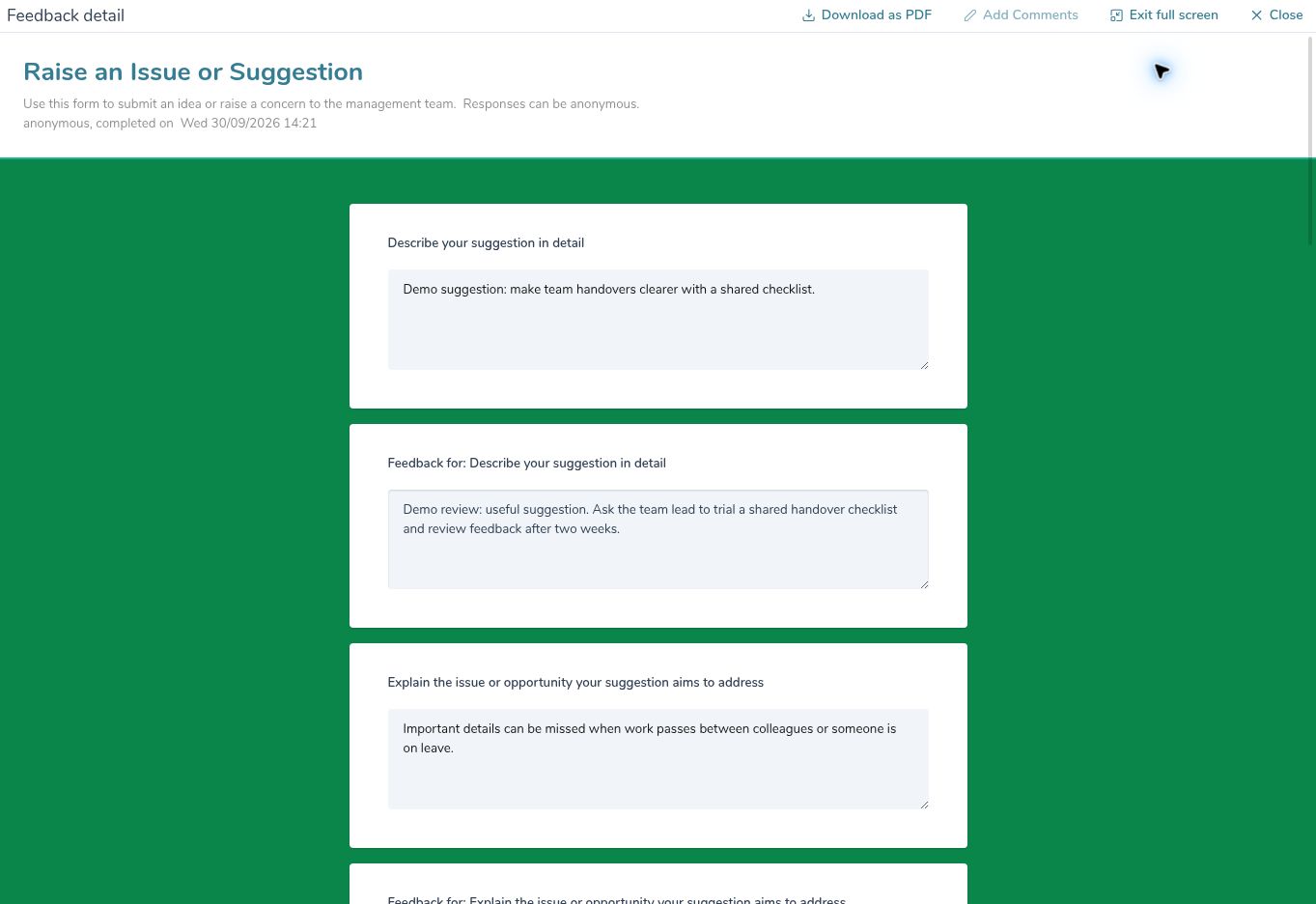
Involving employees in finding solutions can make a big difference. Our employee feedback solution provides a structured way for employees to share suggestions, raise concerns and help shape improvements.
Just as importantly, keep people informed. Even when solutions take time, regular communication helps employees feel heard and reassures them that their concerns haven't been forgotten.
Who is supporting your HR team?
HR professionals spend a lot of time supporting others, which can make it easy to overlook their own wellbeing. Managing employee concerns, difficult conversations and constantly changing priorities can be emotionally demanding, particularly during busy periods.
Regular check-ins can give HR teams an opportunity to discuss workloads, ask for support and work through challenging situations while maintaining employee confidentiality. Senior leaders also need to ensure HR teams have the time, resources and support required to do their jobs effectively.
Reducing administrative pressures can help too. Our HR operations feature brings requests, documents and approval processes together in one place, reducing the need to chase emails, search through folders or manually track responsibilities.
How can HR Planner help?
Supporting employees starts with having the time and visibility to spot issues early. But when leave requests, employee feedback and everyday HR tasks are spread across different systems, it's easy for things to slip through the cracks.
HR Planner brings everything together in one place, helping HR teams stay organised and spend more time supporting their people.
Managers can view leave requests alongside team availability, while surveys and feedback tools make it easier to spot trends, gather insights and identify concerns before they become bigger problems.
By keeping employee records, documents and approvals connected, HR Planner reduces admin and cuts down the time spent chasing information, giving your team more time for the conversations that matter.
You can try HR Planner with a 14-day free trial, with no credit card or long-term commitment required. To learn more, call our team on 01252 636070 or email support@hrplanner.uk.